Best Describes How Cancers Are Classified
Carcinoma in situ is considered pre-malignant or pre-cancer. Links to detailed leaflets on each are provided below.

Cancers Free Full Text Cancer Diagnosis Using Deep Learning A Bibliographic Review Html
Cancer treatment can involve a combination of surgery chemotherapy radiation therapy and other forms of therapies such as immunotherapy.
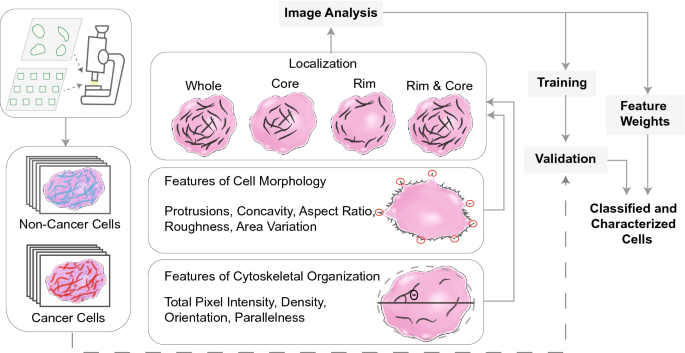
. A tumor can be cancerous or benign. Cancers are classified according to the type of tissue they affect. Blastoma - occurs in embryonic stage.
For example lung cancer starts in the lung and brain cancer starts in the brain. Cancers are classified according to the type of tissue they affect. Based on tissue types cancers may be classified into six major categories.
A normal typical and functional cell undergoes cell cycle in normal fashion and eventually reaches apoptosis. Each type of cancer tumor has its own often complex staging system. Cancers are classified according to the rate at which they grow.
The statement that BEST describes how cancers are classified is. Cancers are classified according to the type of tissue they affect. A benign tumor means the tumor can grow but will not spread.
Which statement BEST describes how cancers are classified. Cancers are classified according to. Check out our list of various cancer types including the most and least common types of cancer types of curable cancer types of cancer that develop in children and more.
Types of cancer are usually named for the organs or tissues where the cancers form. If the cancer looks like healthy tissue and has different cell groupings it is called a differentiated or a low-grade tumor. Yet cancer cells fail to display just some of these characteristics.
Which statement BEST describes how cancers are classified. Cancers are classified by how many organs they affect. These contrast with benign tumors which do not spread.
These cells may form a mass called a tumor. Whether the cancer has spread to nearby lymph nodes. Cancers are classified according to the type of tissue they affect.
Which statement BEST describes how cancers are classified. Cancers are classified by the size of the cells that are involved. Stage 0 or carcinoma in situ.
Sarcoma These cancers originate in connective and supportive tissues including muscles bones. Recent advances in immunotherapy have. Cancers are classified according to the type of tissue they affect.
Cells start to grow uncontrollably. A cancerous tumor is malignant meaning it can grow and spread to other parts of the body. From a histological standpoint there are hundreds of different cancers which are grouped into six major categories.
Carcinoma this cancer begins in the skin or in tissues that line or cover internal organs. Cancers are classified by the size of the cells that are involved. We can also group cancer according to the type of cell they start in.
Cancers are classified according to the rate at which they grow. Possible signs and symptoms include a lump abnormal bleeding prolonged cough unexplained weight loss and a change in bowel movements. Cancers are classified according to the rate at which they grow.
Tumor grade which refers to how abnormal the cancer cells look and how likely the tumor is to grow and spread. Which statement BEST describes how cancers are classified. Cancers are classified by how many organs they affect.
In general acrylamide levels rise when cooking is done for longer periods or at higher temperatures and when certain types of cooking methods are used such as frying or roasting. Cancers are classified by the size of the cells that are involved. Cancers are classified according to the rate at which they grow.
There are 5 main groups. Cancer cells that look and organize most like healthy cells and tissue are low grade tumors. The five most common cancers in the UK are Breast Cancer Lung Cancer Prostate Cancer Bowel Cancer and Skin Cancer - but there are many more types.
There are more than 100 types of cancer. Cancers are classified according to the type of tissue they affect. Cancers are classified according to the rate at which they grow.
Cancers are classified by the size of the cells that are involved. Some types of cancer do not form a tumor. There are different subtypes.
Brain Cancer and Brain Tumours. The more abnormal the cells look and organize themselves the higher the cancers grade. Doctors describe these cancers as being well differentiated.
For example cancer that begins in the breast is called breast cancer. Cancers are classified by how many organs they affect. Cancers are classified by how many organs they affect.
Each with detailed. The cell type such as adenocarcinoma or squamous cell carcinoma The size of the tumor. Carcinoma refers to a malignant neoplasm of epithelial origin or cancer of the internal or external lining of the body.
Cancer of the Uterus Endometrial Cancer Cervical Cancer. Please select the best answer from the. Cancers are classified by how many organs they affect.
There are more than 200 types of cancer and we can classify cancers according to where they start in the body such as breast cancer or lung cancer. Generally cancer is classified depending on the organ the abnormal cell growth begins in. Treating and preventing cancer.
If the cancer looks very different from healthy tissue it is called a poorly differentiated or a high-grade tumor. Cancer is a group of diseases involving abnormal cell growth with the potential to invade or spread to other parts of the body. Its not yet clear if the levels of acrylamide in foods raise cancer risk but if youre concerned there are some things you can do to lower your exposure.
Cancers also may be described by the type of cell that formed them such as an epithelial cell or a squamous cell. Whether the cancer has spread to a different part of the body. Cancers are classified by the size of the cells that are involved.
Lower grade cancers are typically less aggressive and have a better prognosis. Cancers are classified according to the rate at which they grow. Abnormal cells are found only in the first layer of cells in the place where the changes first started.
The following is a general list of stages of cancer. Carcinoma This type of cancer originates from the epithelial layer of cells that form the lining of external parts of. While these symptoms may indicate cancer.
Please select the best answer from the.
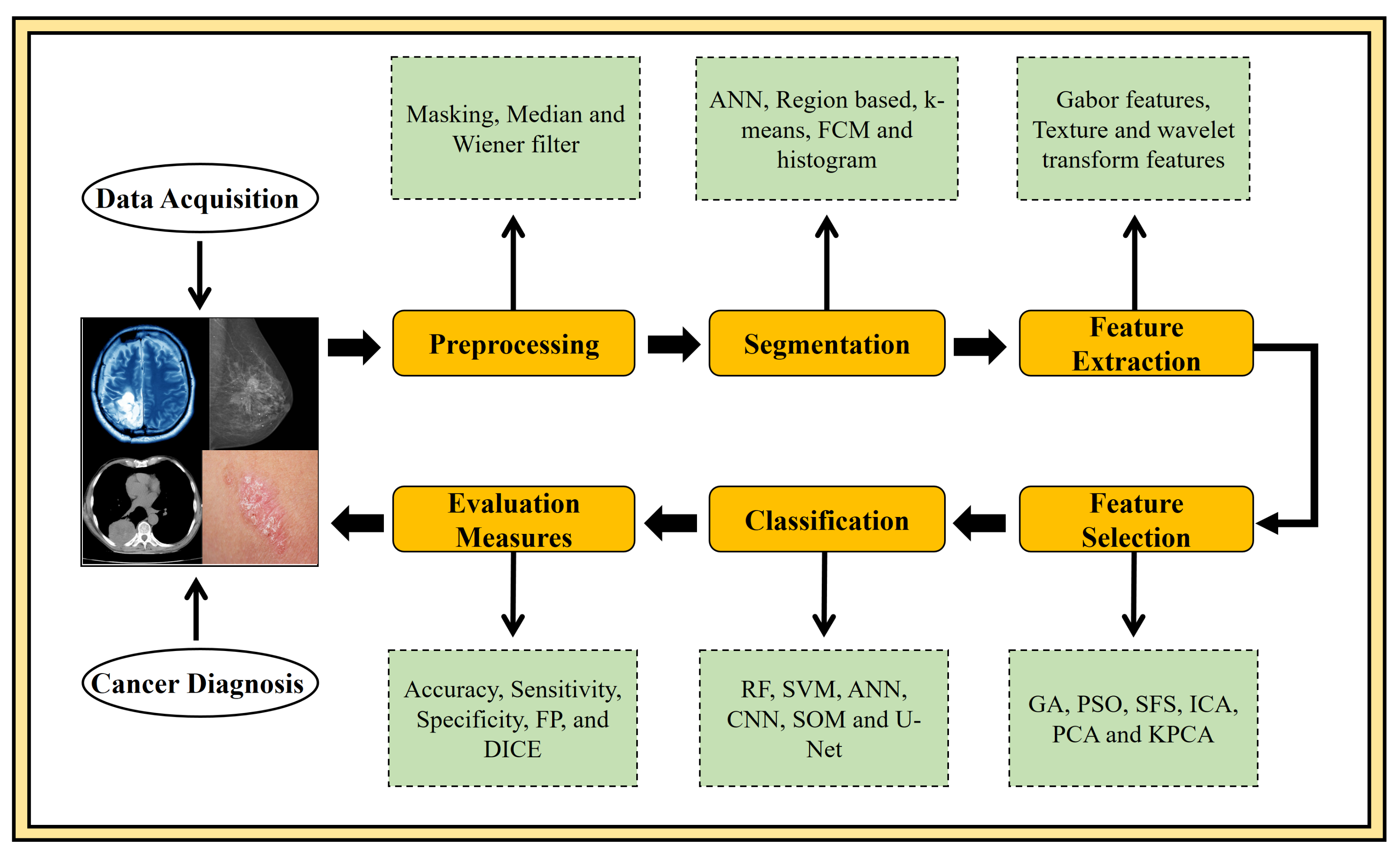
Cancers Free Full Text State Of The Art Challenges And Perspectives In Multi Organ Cancer Diagnosis Via Deep Learning Based Methods Html
Morphological Features Of Single Cells Enable Accurate Automated Classification Of Cancer From Non Cancer Cell Lines Scientific Reports

Lung Cancer The Lancet

Colorectal Cancer Molecular Classifications Recently Shifted From The Download Scientific Diagram


Comments
Post a Comment